
Uncategorised
What Makes a Meaningful Keepsake Gift?
Jun
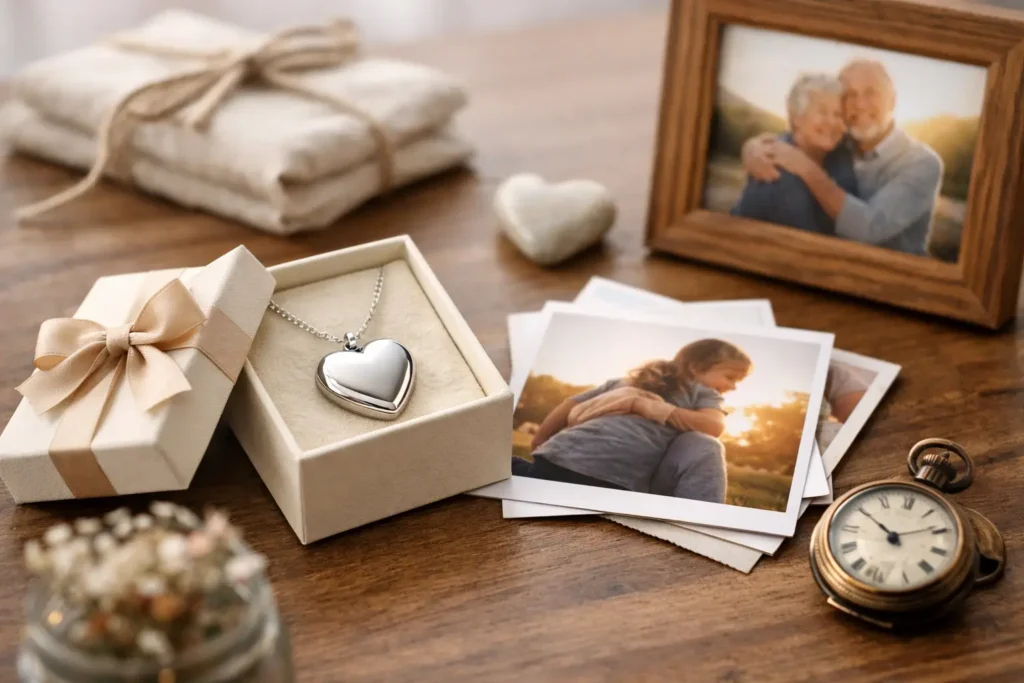
Some gifts get opened, admired and quietly forgotten by the following week. Others stay on a bedside table, hang in the kitchen, sit on a keyring, or come out every Christmas for years. That difference usually comes down to one thing: what makes a meaningful keepsake gift is not the price tag, but the personal connection it carries.
A keepsake gift should feel specific to the person receiving it. It should suit the occasion, reflect the relationship, and give someone a reason to hold onto it long after the moment has passed. That could be an engraved photo frame for new parents, a personalised whisky glass for Dad, a slate sign for a first home, or a memorial piece for a much-loved pet. The product matters, but the meaning behind it matters more.
What makes a meaningful keepsake gift last
The best keepsake gifts do two jobs at once. They mark an important moment, and they remain useful or visible afterwards. A gift that lives in a drawer can still be treasured, of course, but many of the most successful keepsakes become part of everyday life.
That is why practical items often work so well when they are personalised properly. A chopping board engraved with a wedding date, a keyring carrying a short message, or a jewellery box marked with a name and special date all have a purpose beyond the occasion itself. They do not just say, “I bought you something.” They say, “I chose this with you in mind.”
It also helps when the gift matches the scale of the event. A milestone birthday, anniversary, christening or retirement may call for something more lasting and display-worthy. A smaller thank-you gift for a teacher, colleague or friend might be more modest, but can still feel deeply personal if the wording and item are chosen carefully.
Personalisation is what turns a gift into a keepsake
Not every personalised gift becomes meaningful. A name printed onto a random item is still a random item if there is no thought behind it. Personalisation works best when it adds context.
Names, dates and initials are a strong starting point because they anchor the gift to a person or event. But often, the details around them make the real difference. A line from a wedding speech, the baby’s birth weight and time, the pet’s name with a paw motif, or a short message that only the recipient will fully understand can turn something simple into something genuinely memorable.
This is where shoppers sometimes overcomplicate things. You do not need a long message to make a gift meaningful. In many cases, a few carefully chosen words feel more sincere than a paragraph squeezed onto the surface. If space is limited, clarity usually wins. A clean engraving with a date and a heartfelt line often feels more elegant and more enduring than trying to fit in every sentiment at once.
The best keepsake gifts feel right for the person
A meaningful keepsake should make sense for the recipient’s life, not just the occasion. This is where many generic gifts fall short. They may be attractive enough, but they do not reflect how someone lives, what they value, or what they will realistically keep.
For someone house-proud, engraved homeware can feel thoughtful and useful. For a parent or grandparent, a photo gift or frame may carry more emotional weight. For a partner, jewellery, cufflinks or a keepsake box may feel more intimate. For a pet owner, even a small personalised ornament or memorial token can mean far more than a more expensive but less personal gift.
Age matters a bit, but lifestyle matters more. A younger recipient may love something practical they can use every day, while an older recipient may prefer a keepsake designed for display. That said, there are no fixed rules. Plenty of shoppers assume keepsakes should be decorative, when in reality some of the most appreciated gifts are useful items with emotional value built in.
What makes a meaningful keepsake gift for different occasions
Different events call for different kinds of sentiment. A wedding gift often needs to feel lasting and shared, while a birthday gift can be more playful or personal to one individual. New baby gifts tend to focus on dates, names and first milestones. Memorial keepsakes need a quieter, more respectful tone.
That is why occasion matters so much when choosing the product and the message. For weddings and anniversaries, engraved glassware, photo frames, keepsake boxes and home pieces work well because they mark a relationship and can be displayed or used over time. For birthdays, keyrings, jewellery, drinkware and small engraved accessories can strike a nice balance between thoughtful and practical. For teachers or colleagues, a simpler gift with a short thank-you message often feels just right.
There is also a difference between gifts intended to celebrate and those intended to comfort. A celebratory keepsake can be cheerful, bold or even a bit humorous. A sympathy or remembrance gift should be more understated. Meaning comes partly from tone, so the best choice is often the one that fits the moment without trying too hard.
Cost matters less than thoughtfulness
Many people worry that a meaningful gift has to be expensive. In practice, that is rarely true. What makes a keepsake special is usually the relevance of the item and the care behind the personalisation, not the amount spent.
A small engraved token can have more emotional value than a costly gift chosen in a hurry. This is especially true when the item connects neatly to the recipient’s daily life or to a memory you both share. Affordable keepsakes are often better received because they feel natural rather than overdone.
There is, however, a trade-off. Cheaper only works when the item still feels considered. If the quality is poor or the personalisation looks rushed, the emotional effect disappears quickly. A simple product can be excellent, but it should still feel well made and appropriately presented.
Why usefulness gives keepsakes staying power
If you want a gift to be kept, it helps if it can be used. Not always, but often. A personalised mug, chopping board, glass, keyring, compact mirror or coaster may become part of someone’s routine, which means the sentiment is revisited again and again.
Display pieces still have a place, especially for major life moments. A photo lithophane, engraved frame or decorative plaque can be a lovely choice when the purpose is to preserve a memory visually. But practical keepsakes have a quiet advantage: they do not ask for space or effort. They slip into everyday life and stay there.
For shoppers, this makes the decision easier. If you are unsure what someone would display, choose an item they will genuinely use. Personalisation can provide the emotional value, while the object itself does the practical work.
How to choose what makes a meaningful keepsake gift
Start with the moment you are marking. Ask yourself what the recipient is likely to want to remember a year from now, not just what will look good on the day. Then think about where the gift will live – in their home, at work, in their bag, on a shelf, or in daily use.
Next, keep the wording focused. A name, date and short line are often enough. If you are selecting a gift for a couple, make sure it feels relevant to both people. If you are buying for one person, lean into details that reflect their character or role – parent, teacher, friend, partner, pet owner, or grandparent.
Finally, give yourself enough time to order properly. Personalised gifts feel special partly because they are made with care, so it is worth checking details carefully before placing an order. A meaningful keepsake loses some of its charm if names are misspelt or dates are wrong. A dependable retailer with clear support and prompt delivery makes that process much less stressful, which is one reason many shoppers turn to specialists such as Bespoke Engravers when the occasion matters.
The keepsake gift people remember
The gifts people hold onto are rarely the most dramatic. They are the ones that capture a relationship, a memory or a moment in a way that feels natural and personal. That might be through an engraving, a photograph, a date, or a quiet message that says exactly enough.
If you are choosing a keepsake, aim for recognition rather than surprise. The best reaction is often not “I never expected this,” but “This is so me,” or “I’ll keep this forever.”
That is usually the clearest sign you have chosen well.
