
Uncategorised
Custom Pet Tags for Safer Everyday Adventures
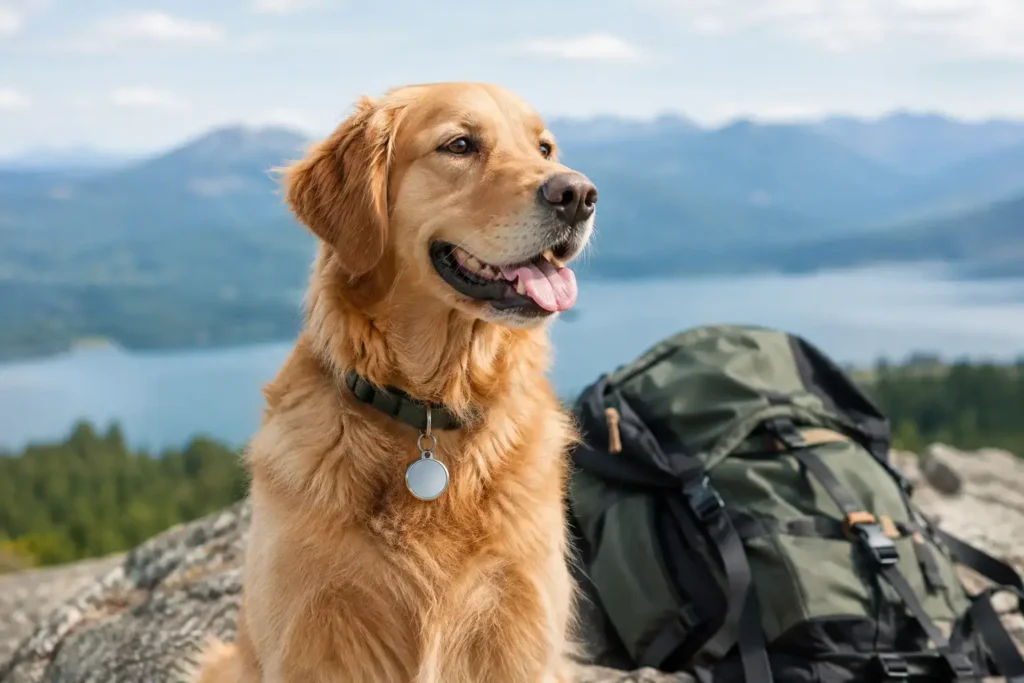
Nov
A collar can come off in a muddy field, a garden gate can be left ajar, and even the most home-loving cat may wander further than expected. Custom pet tags give a finder an immediate, practical way to help a lost pet get back to the people who love them. They are a small addition to a collar, but one that can offer real reassurance on everyday walks, holidays and visits to unfamiliar places.
For pet owners, the best tag is not simply the prettiest one. It needs to be clear, comfortable and made for the life your dog or cat actually leads. A lively spaniel who enjoys woodland walks has different needs from a house cat or a small dog wearing a lightweight harness. Getting those details right makes a personalised tag feel both thoughtful and genuinely useful.
Why custom pet tags are worth choosing
A personalised tag does more than identify a pet. It gives someone who finds them a quick way to contact you, without needing special equipment or a trip to a vet or rescue centre. Microchipping remains an essential part of responsible pet ownership, but a visible tag can speed up the first call when every minute feels long.
Personalisation also makes it easier to choose a tag that suits your pet’s character. A classic round tag in polished metal can feel smart and timeless, while a colourful shape or playful motif can reflect a cheeky personality. The point is not to turn a safety item into a fashion accessory at the expense of readability. It is to choose something practical that you will be happy to keep on their collar every day.
Custom pet tags can also make a kind gift for a new puppy or kitten, an adoption day, a birthday, or a family welcoming a rescue animal. Pairing a tag with a new collar, lead or treat tin creates a useful present with a personal touch from the very first day.
What to put on a pet tag
The most useful engraving is usually the simplest. Your pet’s name helps a finder speak to them calmly, while a contact number gives that person a clear next step. If space allows, adding your surname or house number can be helpful too.
For dogs in the UK, the law requires a collar tag to show the owner’s name and address when out in public, with limited exemptions. Check current guidance if you are unsure how this applies to your dog. Many owners include their mobile number as well, as it is often the quickest route back home. A postcode can be useful where there is room, but full wording should always remain easy to read.
Cats are not subject to the same collar-tag requirement, but an engraved tag is still a sensible choice for outdoor cats. Keep the wording short, especially on a small tag. A name and mobile number may be all that is needed.
Avoid packing in every possible detail. Several phone numbers, long messages and social media handles can make lettering tiny and difficult to read. If your pet has a medical condition, a short note such as “Needs medication” may be valuable, but consider whether the tag size can display it clearly. When in doubt, choose legibility over extra information.
A simple engraving format
For many pets, this format works well:
Pet’s name Owner’s name or house number Mobile number
If your tag has engraving on both sides, use the reverse for a second contact number or a brief medical note. Before ordering, read the text aloud and check each digit carefully. A single incorrect number defeats the purpose of an otherwise lovely tag.
Choosing the right material and shape
Material affects how a tag looks, sounds and wears over time. Stainless steel is a popular everyday choice because it is strong, easy to care for and suited to dogs who spend plenty of time outdoors. Aluminium is lightweight, making it a good option for smaller breeds and cats, although it may show wear sooner if it regularly knocks against another tag or metal fitting.
Brass offers a warmer, traditional appearance and develops character with age. It can tarnish naturally, so it suits owners who appreciate a slightly aged finish or do not mind giving it an occasional polish. Whichever material you choose, deeper, well-spaced engraving is generally easier to read than very fine text.
Shape matters more than it may seem. A round or bone-shaped tag provides a familiar look and good space for key details. Hearts, stars and other decorative shapes make thoughtful gifts, but check the available engraving area before deciding. For a long address, a larger and simpler shape is often the better option.
Consider your pet’s size, too. A large tag can feel heavy or clatter against a small cat’s collar. Conversely, a very small tag on a large dog may not leave enough room for legally required details or a readable number. The ideal balance is a tag that sits comfortably without disappearing under thick fur.
Fit, fastening and everyday comfort
Even a beautifully engraved tag needs a secure attachment. Check the split ring regularly, particularly if your dog pulls on the lead, plays with other dogs or enjoys scrambling through hedges. Over time, rings can open or wear thin. Replacing a tired fitting is a quick job that can prevent a tag being lost.
Position the tag so it hangs freely from the collar’s D-ring and does not interfere with a lead attachment. If your pet wears a harness for walks, it can still be useful to keep identification on their collar, as harnesses may be removed at home or during grooming. Some owners prefer a separate collar just for identification when their dog is not wearing a walking collar.
Noise can be a consideration. A single tag is usually quieter than several tags knocking together, and it may be more comfortable for a sensitive pet. If you need to carry multiple items, such as a rabies tag when travelling, keep an eye on the combined weight and make sure nothing has sharp edges.
For cats, safety should come first. A quick-release or breakaway collar is designed to release if it becomes caught. It does mean the collar and tag can occasionally be lost, but that trade-off can be worthwhile for a cat that climbs fences or explores shrubs. Keep a recent photo and your microchip details up to date as an additional safeguard.
Keeping an engraved tag useful over time
A pet tag is not a buy-once-and-forget item. Check it during your usual collar inspection, especially after wet weather, beach trips or energetic play. Wipe away mud and moisture, then look at the engraving in good light. If the text is becoming difficult to read, it is time to replace it.
Update the tag promptly after moving house or changing your phone number. It is easy to postpone when life is busy, yet outdated contact details can leave a kind finder with no way to reach you. The same goes for microchip records: both the tag and chip should point back to your current information.
It can be handy to keep a spare personalised tag at home. This is particularly useful for households with more than one collar, for pets who go to kennels or catteries, or for a new puppy who is still growing into their adult collar. A spare avoids a last-minute scramble before a walk or holiday.
A small keepsake with a serious job
The right tag should look like it belongs to your pet, whether that means a classic design for a dignified older dog or something cheerful for a new kitten. At Bespoke Engravers, personalised pet gifts are designed to bring that balance of sentiment and everyday usefulness within easy reach.
Choose clear wording, a suitable size and a material that matches your pet’s routine, then make a habit of checking it from time to time. That little engraved detail may be one of the simplest ways to help turn an unexpected adventure into a safe trip home.
