
Uncategorised
How to Care for Engraved Gifts: Professional Tips to Preserve Your Treasured Keepsakes
Apr
Engraved gifts hold a special place in our hearts, transforming ordinary objects into cherished keepsakes that commemorate life’s most precious moments. Whether it’s a wedding ring with a romantic inscription, a commemorative plaque marking a professional achievement, or a personalised watch celebrating a milestone birthday, these custom pieces deserve proper care to maintain their beauty and sentimental value for generations to come.
Understanding how to care for engraved gifts isn’t just about cleaning – it’s about preserving memories, protecting investments, and ensuring these meaningful items continue to tell their stories long into the future. From delicate silver jewellery to robust granite memorials, each engraved material requires specific attention and maintenance techniques to prevent damage and maintain clarity of the engraved text or design.
Understanding Different Engraving Materials and Their Unique Care Requirements
The first step in proper care begins with identifying the material of your engraved gift. Each substrate responds differently to cleaning agents, environmental factors, and handling techniques. Engraving techniques can be applied to numerous materials, and understanding these differences is crucial for long-term preservation.
Metal Engraved Gifts
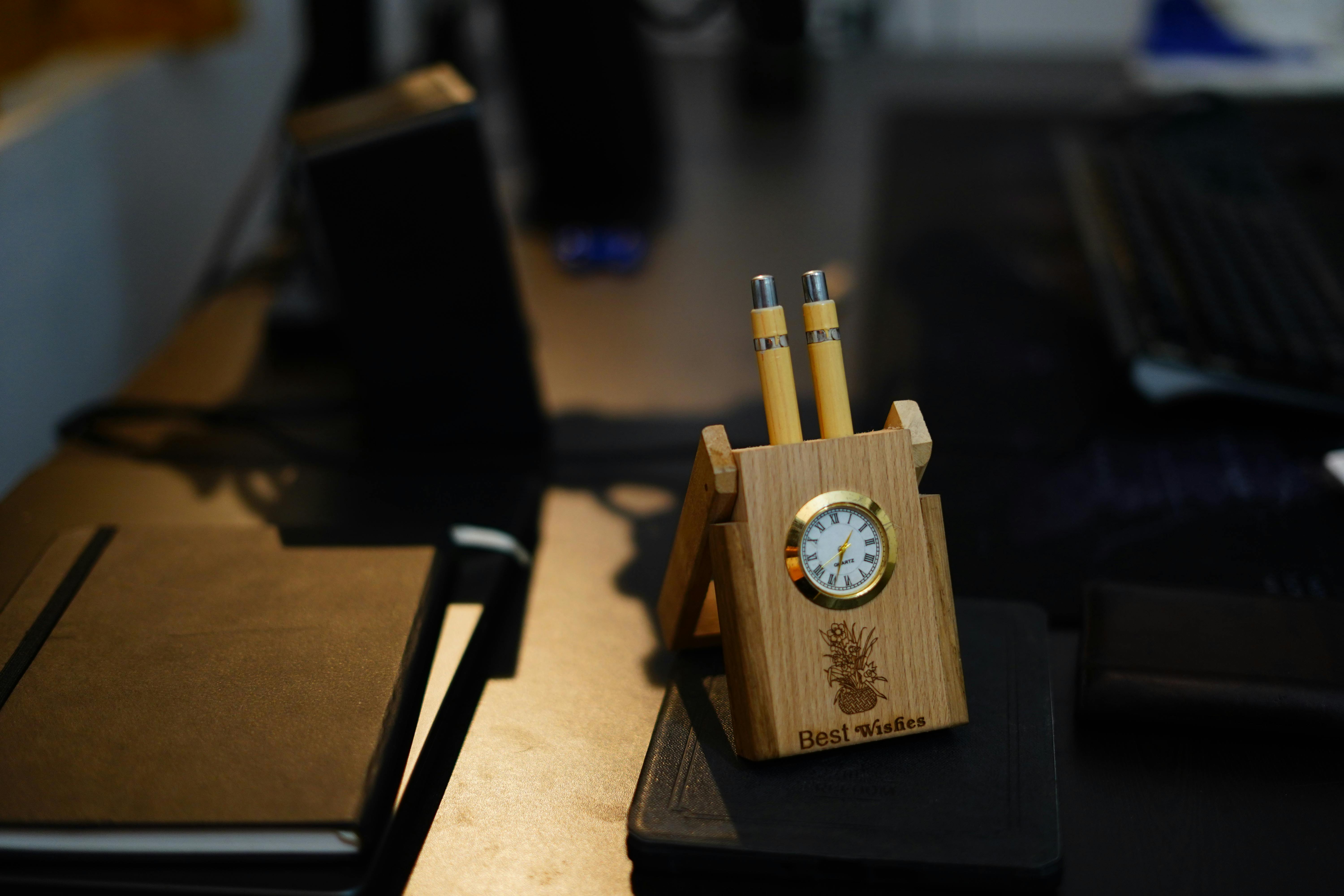
Metal items represent the most common category of engraved gifts, including jewellery, watches, trophies, and commemorative plaques. Different metals require distinct approaches:
- Sterling Silver: Prone to tarnishing, requiring regular polishing with specialised silver cloths and avoiding exposure to sulphur compounds found in rubber and certain foods
- Gold: Generally low-maintenance but benefits from gentle cleaning with warm soapy water and soft brushes to remove accumulated oils and debris
- Stainless Steel: Highly durable but can show water spots and fingerprints; responds well to microfibre cloths and mild detergents
- Brass and Bronze: Develops patina over time; may require periodic polishing to maintain original lustre while preserving engraved details
Glass and Crystal Engravings
Glass and crystal pieces, often featuring laser engraving or sandblasted designs, demand careful handling to prevent chipping and maintain transparency. These materials are particularly sensitive to temperature changes and impact damage.
Wood and Natural Materials
Wooden plaques, cutting boards, and decorative items require protection from moisture, extreme temperatures, and direct sunlight. The natural grain and engraved areas may respond differently to environmental changes, potentially causing warping or cracking.
Essential Cleaning Techniques for Optimal Preservation
Regular cleaning forms the foundation of proper engraved gift care, but the approach must be tailored to both the material and the engraving method used. Improper cleaning can cause irreversible damage to delicate engravings or the surrounding material.
Gentle Cleaning Methods
Start with the gentlest approach possible. For most engraved items, a soft-bristled toothbrush or cotton swab can effectively remove debris from engraved recesses without causing scratches. Use distilled water when possible to avoid mineral deposits that can accumulate in detailed engravings.
Create a cleaning solution appropriate for your material – mild dish soap for metals, specialised glass cleaners for crystal items, or wood-safe products for timber pieces. Always test cleaning solutions on an inconspicuous area first.
Deep Cleaning Engraved Details
When surface cleaning isn’t sufficient, focus specifically on the engraved areas where dirt and oils tend to accumulate. Use cotton swabs dipped in appropriate cleaning solution to gently work along the engraved lines. For stubborn deposits, allow the cleaning solution to sit briefly before gentle agitation.
Avoid abrasive materials like steel wool or harsh chemicals that can damage both the engraving and the surrounding material. Professional conservation techniques emphasise patience and gentle methods over aggressive cleaning approaches.
Smart Storage Solutions to Prevent Damage
Proper storage significantly extends the life of engraved gifts by protecting them from environmental damage, physical impact, and chemical reactions that can occur during long-term exposure to various materials.
Environmental Control
Store engraved items in stable environments with consistent temperature and humidity levels. Extreme fluctuations can cause materials to expand and contract, potentially affecting both the base material and the integrity of the engraving.
Avoid storage areas prone to moisture, such as basements or attics, unless climate-controlled. Consider using silica gel packets or other moisture-absorbing products in storage containers for particularly valuable or sensitive pieces.
Physical Protection Strategies
Individual wrapping prevents scratches and impact damage during storage. Use acid-free tissue paper for valuable items, soft cloth bags for jewellery, or custom-fitted cases for larger pieces. Ensure engraved surfaces don’t contact other objects that could cause scratching or chemical reactions.
For frequently displayed items, consider protective cases or stands that allow viewing while minimising handling and environmental exposure.
Professional Maintenance and Restoration Options
Despite careful home care, some engraved gifts may require professional attention to address damage, restore clarity, or refresh worn engravings. Understanding when to seek professional help can prevent further damage and preserve the item’s value and meaning.

When to Consult Professionals
Seek professional assistance for valuable items showing signs of significant wear, chemical damage, or structural issues. Warning signs include fading engravings, corrosion around engraved areas, cracking in glass or crystal pieces, or warping in wooden items.
Professional engravers and restoration specialists possess specialised tools and techniques unavailable to consumers. They can often re-engrave faded text, repair damaged areas, and apply protective treatments to extend the item’s life.
Preventive Professional Care
Consider periodic professional maintenance for particularly valuable or sentimentally important pieces. This might include professional cleaning, protective coating application, or condition assessments to identify potential problems before they become serious.
Establish relationships with qualified professionals before you need their services. Traditional metalworking crafts require specialised knowledge and experience that develops over years of practice.
Common Mistakes That Damage Engraved Gifts
Understanding what not to do is often as important as knowing proper care techniques. Many well-intentioned maintenance efforts can cause irreversible damage to engraved items.
Cleaning Errors to Avoid
Never use household cleaners containing ammonia, bleach, or other harsh chemicals on engraved items unless specifically recommended for that material. These substances can cause discolouration, etching, or chemical reactions that damage both the engraving and the base material.
Avoid ultrasonic cleaners for items with soft metals, gemstones, or intricate engravings unless you’re certain the specific combination is safe. The vibrations can loosen settings, crack stones, or damage delicate engraved details.
Storage and Handling Mistakes
Don’t store different metals together without separation, as they can cause galvanic corrosion where dissimilar metals react with each other in the presence of moisture. Keep silver away from rubber bands, which contain sulphur compounds that cause rapid tarnishing.
Avoid excessive handling of engraved areas, as skin oils and acids can gradually affect the material and cause discolouration or wear patterns around frequently touched engravings.
Long-term Preservation Strategies for Future Generations
True preservation thinking extends beyond immediate care to consider how engraved gifts will survive decades or even centuries. This long-term perspective requires planning and proactive measures.
Documentation and Photography
Create detailed photographic records of your engraved gifts, capturing both overall appearance and close-up details of the engraving. This documentation serves multiple purposes: insurance records, restoration reference, and historical preservation of the message or design.
Include information about the occasion, engraver, materials, and any special care instructions. Store this documentation separately from the physical items to ensure preservation even if the original is damaged or lost.
Succession Planning
Consider who will inherit these meaningful items and ensure they understand proper care techniques. Include care instructions with the items or create a care guide for family members who may not be familiar with the specific requirements of different materials.
Regular inspection schedules help catch problems early. Establish yearly examination routines for valuable pieces, checking for signs of wear, damage, or environmental effects that might require attention.
Conclusion: Preserving Memories Through Proper Care
Caring for engraved gifts represents more than maintenance – it’s an act of respect for the memories and relationships these items represent. By understanding material-specific requirements, implementing proper cleaning and storage techniques, and knowing when to seek professional help, you can ensure these treasured keepsakes continue to tell their stories for generations.
The investment of time and attention in proper care pays dividends in preserved beauty, maintained value, and continued sentimental significance. Whether you’re caring for a single precious piece or managing a collection of commemorative items, these techniques will help protect your engraved gifts against the ravages of time and environmental exposure.
For professional engraving services and expert advice on caring for your special pieces, Bespoke Engravers offers both custom engraving solutions and guidance on maintaining your treasured items. Their expertise ensures your meaningful gifts receive the specialised attention they deserve, both in creation and in long-term preservation.
