
Uncategorised
Bespoke Plant Labels
Apr
The Art of Personalised Garden Identification
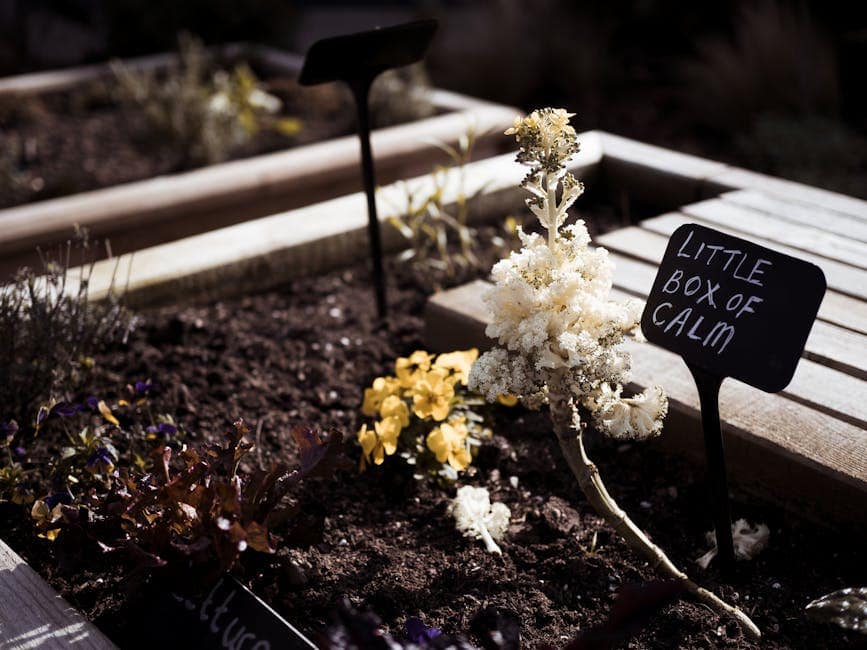
In the world of gardening and botanical displays, the importance of proper plant identification cannot be overstated. Bespoke plant labels represent the perfect marriage of functionality and aesthetic appeal, transforming ordinary garden markers into sophisticated identification systems that enhance both private gardens and professional horticultural displays. These custom-crafted labels serve as permanent testimonials to the careful cultivation and organisation that defines exceptional gardening practices.
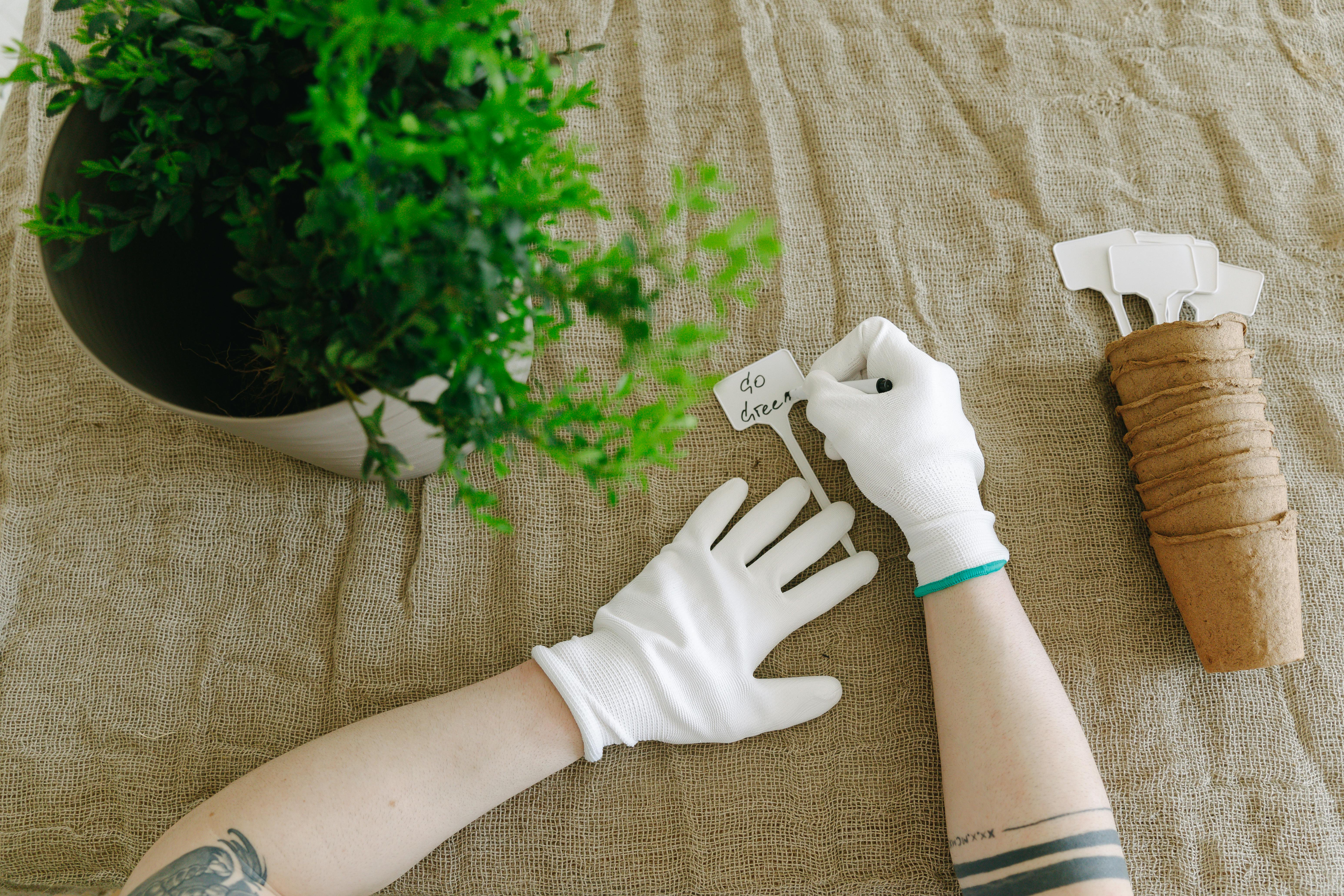
Unlike mass-produced alternatives, bespoke plant labels are meticulously designed and crafted to meet specific requirements, whether for a heritage rose collection, a botanical research facility, or a prized orchid greenhouse. The personalised nature of these labels ensures they complement the unique character of each garden while providing durable, weather-resistant identification that stands the test of time.
Professional engraving services have elevated plant labelling from a purely practical necessity to an art form that celebrates the beauty and diversity of plant life. Through precision engraving techniques and careful material selection, these labels become integral elements of garden design, seamlessly blending functionality with visual appeal. Just as our custom engraved cutting boards transform a kitchen, bespoke labels elevate the garden.
Materials and Durability for Long-Term Garden Use
The foundation of exceptional bespoke plant labels lies in the careful selection of materials that can withstand the challenging outdoor environment. Stainless steel remains the gold standard for permanent garden labelling, offering unparalleled resistance to corrosion, UV degradation, and temperature fluctuations. This material maintains its appearance and legibility for decades, making it ideal for significant plant collections and memorial gardens.
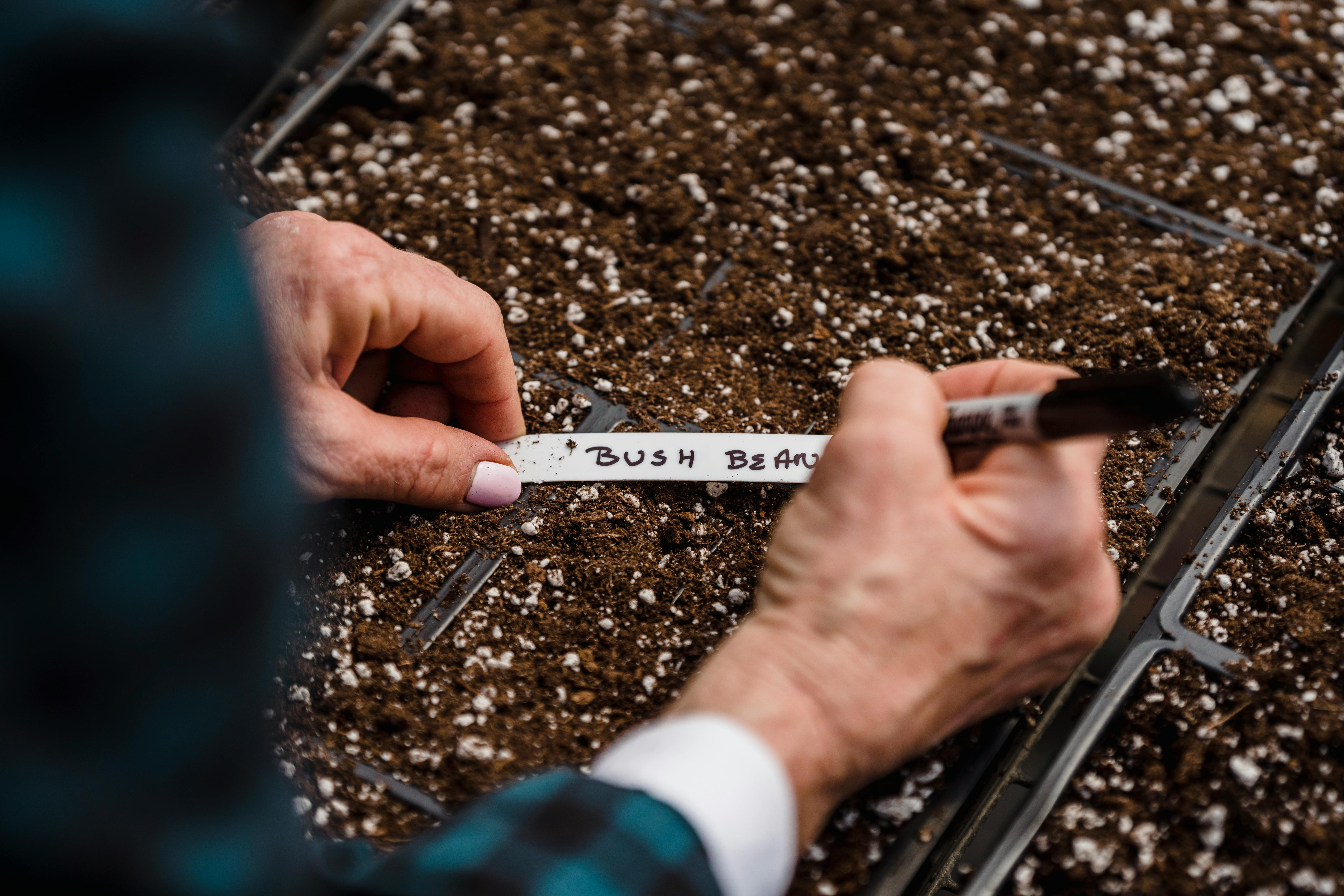
Anodised aluminium provides an excellent balance between durability and cost-effectiveness, particularly suitable for extensive plantings where numerous labels are required. The anodising process creates a protective oxide layer that prevents corrosion while providing a smooth surface ideal for detailed engraving. This material is particularly favoured by botanical institutions and commercial nurseries.
Natural materials such as slate and granite offer unique aesthetic qualities that complement traditional garden settings. These materials provide excellent weather resistance while adding an organic element that harmonises with natural landscapes. Slate labels, in particular, develop a distinguished patina over time that enhances their visual appeal.
According to the Royal Horticultural Society, proper plant labelling is essential for garden management and educational purposes, with durable materials being crucial for maintaining accurate plant records over time.
Modern synthetic materials, including high-grade plastics and composite materials, have also found their place in specialised applications. These materials offer excellent chemical resistance and can be manufactured in various colours, making them suitable for colour-coded identification systems in research environments.
Design Principles and Customisation Options
Effective bespoke plant label design requires careful consideration of both practical requirements and aesthetic preferences. The optimal label size must accommodate essential information while remaining proportionate to the plant and its surroundings. Standard dimensions typically range from compact tags suitable for small potted plants to substantial markers appropriate for mature trees and shrubs.
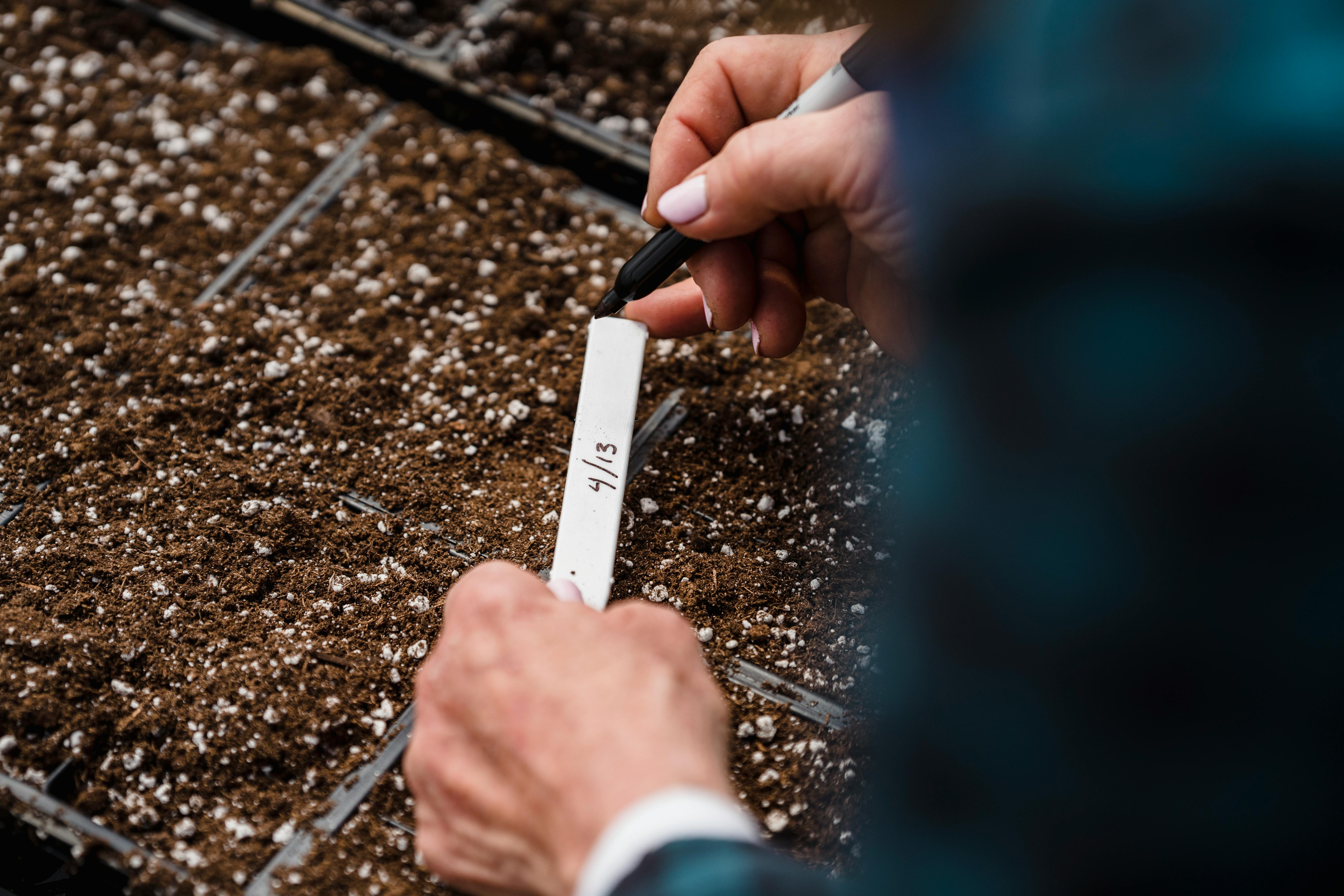
Typography selection plays a crucial role in label functionality. Clear, legible fonts ensure information remains readable from appropriate distances while maintaining professional appearance. Traditional serif fonts often complement formal garden settings, while modern sans-serif options provide excellent clarity for scientific or contemporary installations.
Information hierarchy must be carefully structured to prioritise the most important details. Scientific names traditionally take precedence, followed by common names, origin information, and planting dates. Additional details such as care instructions, donation acknowledgements, or historical significance can be incorporated based on specific requirements.
Customisation options extend beyond basic text to include logos, emblems, and decorative elements that reflect institutional branding or personal preferences. Botanical illustrations, QR codes linking to digital resources, and colour fills can enhance both functionality and visual appeal. Similarly, when considering what to engrave on a watch, the blend of personal meaning and aesthetic design is key.
Professional Applications and Institutional Uses
Botanical gardens, arboreta, and research institutions represent the pinnacle of professional plant labelling applications. These environments demand labels that meet rigorous standards for accuracy, durability, and consistency. Bespoke engraving services work closely with horticultural professionals to develop labelling systems that support educational missions while maintaining visual coherence across extensive collections.

University campuses and educational institutions utilise sophisticated labelling systems that transform grounds into living laboratories. These installations often incorporate QR codes or reference numbers that link to comprehensive online databases, providing students and visitors with access to detailed botanical information, research findings, and educational resources.
Memorial and heritage gardens require particularly sensitive approaches to plant labelling. These installations honour individuals, commemorate significant events, or preserve historical plant varieties. Bespoke labels in these settings must balance informational requirements with respectful acknowledgement of their commemorative purpose. Just like choosing the perfect wedding gift, these labels create lasting memories.
Commercial nurseries and specialty plant retailers employ bespoke labels to distinguish their operations and reinforce professional credibility. High-quality engraved labels communicate attention to detail and plant expertise that sophisticated customers associate with premium plant sources.
Maintenance and Longevity Considerations
The long-term performance of bespoke plant labels depends significantly on proper installation and periodic maintenance. Professional installation ensures labels are positioned for optimal visibility while minimising interference with plant growth and garden maintenance activities. Proper mounting systems accommodate seasonal ground movement and prevent damage during routine garden care.
Regular maintenance protocols extend label life and preserve appearance. Gentle cleaning with appropriate solutions removes accumulated dirt and biological growth without damaging engraved surfaces. Inspection schedules identify potential issues before they compromise label functionality or appearance.
Environmental factors significantly influence label longevity. Coastal installations face accelerated corrosion challenges from salt exposure, while areas with extreme temperature variations may experience expansion and contraction stresses. Professional engraving services provide guidance on material selection and protective treatments specific to environmental conditions.
Research from the American Society for Horticultural Science indicates that properly maintained metal plant labels can remain fully functional and legible for over 50 years in typical garden environments.
Replacement strategies ensure continuity of plant identification systems. Standardised design templates facilitate consistent replacement of individual labels while maintaining overall system coherence. Digital records of label specifications enable exact reproduction when replacement becomes necessary.
Integration with Modern Garden Management
Contemporary garden management increasingly incorporates digital technologies that complement traditional plant labelling systems. Bespoke labels now often include QR codes or NFC chips that connect physical plants to digital databases containing detailed care instructions, propagation records, and research findings.
GPS coordinates engraved on labels facilitate precision garden mapping and support sophisticated inventory management systems. This integration proves particularly valuable for large-scale installations where traditional paper-based record-keeping becomes unwieldy.
Sustainability considerations influence modern labelling choices. Recyclable materials and environmentally responsible manufacturing processes align with contemporary environmental values while maintaining the durability and performance expected from premium garden labels.
Smart garden technologies increasingly rely on accurate plant identification for automated care systems. High-quality, permanently engraved labels provide the reliable identification foundation necessary for successful integration of advanced horticultural technologies. These thoughtful details are similar to selecting personalised birthday gifts for Dad, where every element contributes to a lasting impression.
Conclusion
Bespoke plant labels represent far more than simple garden accessories—they embody the intersection of horticultural expertise, craftsmanship, and environmental stewardship. These carefully crafted identification systems transform gardens into educational resources while preserving vital botanical information for future generations. Whether gracing a private collector’s greenhouse or marking significant specimens in prestigious botanical institutions, professionally engraved plant labels demonstrate commitment to horticultural excellence and attention to detail that distinguishes exceptional garden installations. The investment in quality materials and expert craftsmanship ensures these labels will continue serving their essential function while enhancing garden beauty for decades to come, making them indispensable tools for serious gardeners and horticultural professionals alike.
