
Uncategorised
The Fascinating History of Engraving: From Ancient Stone Carvings to Modern Precision
The history of engraving spans thousands of years, representing one of humanity’s oldest and most enduring forms of artistic expression and communication. From primitive cave paintings to sophisticated laser-etched designs, engraving has evolved from a survival necessity into a refined craft that continues to play a vital role in our modern world. This ancient art form has documented civilizations, preserved memories, and transformed simple objects into treasured heirlooms that tell stories across generations.
Understanding the rich heritage behind engraving techniques helps us appreciate not only the skill required to master this craft but also its cultural significance throughout human history. Whether you’re considering commissioning a bespoke engraved piece or simply curious about this timeless art form, exploring its origins reveals fascinating insights into human creativity and technological advancement.
Ancient Origins: The Birth of Engraving
The earliest forms of engraving can be traced back to prehistoric times, when our ancestors carved symbols and images into cave walls and stone surfaces. These primitive engravings, dating back over 40,000 years, served as the foundation for written communication and artistic expression. Archaeological evidence suggests that early humans used sharp stones, bones, and primitive metal tools to create these permanent marks.

Ancient civilizations quickly recognized the power of engraving for record-keeping and storytelling. The Sumerians, around 3000 BCE, developed cuneiform script by pressing wedge-shaped marks into clay tablets. Similarly, ancient Egyptians perfected the art of hieroglyphic carving, creating intricate engravings on stone monuments that have survived millennia.
The Rosetta Stone, discovered in 1799, exemplifies the historical importance of engraving in preserving knowledge. This ancient artifact, with its three scripts engraved in stone, became the key to deciphering Egyptian hieroglyphs and unlocking centuries of lost history.
Greek and Roman civilizations elevated engraving to new artistic heights, using the technique for coins, seals, and architectural decorations. Roman engravers developed sophisticated techniques for creating detailed portraits and narrative scenes on gemstones, establishing engraving as both a practical and artistic pursuit.
Medieval Developments: Metalwork and Religious Art
During the medieval period, engraving experienced significant technological and artistic advancement. European craftsmen refined metal engraving techniques, particularly for creating armour, weapons, and religious artifacts. Monasteries became centres of engraving excellence, where monks meticulously carved intricate designs into metal book covers, reliquaries, and ecclesiastical objects.
The development of intaglio engraving during this period revolutionised printmaking. This technique, where designs are carved below the surface of the material, allowed for multiple copies of the same image to be produced. Initially used for creating seals and stamps, intaglio engraving would later become fundamental to the printing industry.
Islamic craftsmen also made remarkable contributions to engraving history during the medieval period. They perfected the art of damascening, a technique that involved inlaying gold and silver into steel or iron surfaces. This method created stunning decorative patterns on weapons and armour that were both functional and beautiful.
Guild Systems and Skill Development
Medieval guild systems played a crucial role in preserving and advancing engraving techniques. These professional organizations established strict apprenticeship programs that ensured high-quality craftsmanship and protected trade secrets. Master engravers passed down their knowledge through generations, creating a rich tradition of technical expertise that would influence future developments in the field.
Renaissance Revolution: Printmaking and Artistic Expression
The Renaissance period marked a golden age for engraving, as artists discovered its potential for mass reproduction of artwork. Master engravers like Albrecht Dürer elevated the craft to fine art status, creating intricate prints that rivaled paintings in their detail and emotional impact. Dürer’s engravings, such as “Melencolia I” and “Knight, Death and the Devil,” demonstrated the medium’s capacity for complex storytelling and psychological depth.
The invention of the printing press by Johannes Gutenberg around 1440 created new opportunities for engravers. Book illustration became a specialized field, with skilled craftsmen creating woodcuts and metal engravings to accompany text. This development democratised knowledge by making illustrated books more accessible to the general population.
Italian Renaissance artists, including Andrea Mantegna and Antonio del Pollaiuolo, pioneered new engraving techniques that emphasized linear precision and tonal variation. Their work influenced generations of printmakers and established engraving as a legitimate artistic medium worthy of serious study and appreciation.
Technical Innovations
Renaissance engravers developed numerous technical innovations that expanded the medium’s possibilities. The introduction of cross-hatching techniques allowed for subtle gradations of tone and shadow. Etching, which used acid to bite lines into metal plates, offered artists greater freedom and spontaneity compared to traditional burin engraving.
Industrial Age Transformations: Mass Production and Mechanisation
The Industrial Revolution fundamentally transformed the engraving industry, introducing mechanisation and mass production techniques that made engraved products more affordable and accessible. The invention of the pantograph in the late 18th century allowed for the precise reproduction of designs at various scales, revolutionising commercial engraving applications.

Steel engraving, developed in the early 19th century, offered superior durability compared to copper plates. This advancement enabled longer print runs and finer detail reproduction, making it ideal for banknote production and high-quality book illustrations. The Bureau of Engraving and Printing, established in 1862, exemplifies the importance of engraving in creating secure currency and government documents.
Photography’s emergence in the mid-19th century initially threatened traditional engraving, but skilled craftsmen adapted by combining photographic processes with engraving techniques. Photo-engraving processes allowed for the reproduction of photographic images in print, creating new opportunities for commercial applications.
Commercial Applications Expansion
The industrial age saw engraving expand beyond artistic applications into commercial and industrial uses. Jewellery engraving became more sophisticated, with steam-powered machines enabling consistent, high-quality results. Trophy and award engraving emerged as a specialized trade, celebrating achievements and commemorating important events.
Modern Era: Technology Meets Tradition
The 20th and 21st centuries have witnessed remarkable technological advances in engraving, while traditional hand-engraving techniques continue to be valued for their artistic merit and craftsmanship. Computer-controlled engraving machines have revolutionised the industry, offering unprecedented precision and speed for commercial applications.
Laser engraving, introduced in the 1960s, represents one of the most significant technological leaps in the field’s history. This non-contact method can engrave virtually any material with exceptional detail and consistency. Modern laser systems can create photographic-quality engravings on materials ranging from metal and glass to wood and plastic.
Digital design software has transformed the creative process, allowing designers to create complex patterns and images that can be directly translated to engraving machines. CAD/CAM technology enables precise control over every aspect of the engraving process, from depth and speed to tool selection and finishing techniques.
Contemporary Applications
Today’s engraving industry serves diverse markets, from personalised gifts and awards to industrial part marking and medical device identification. The ability to create permanent, precise markings makes engraving essential for traceability and branding in manufacturing environments.
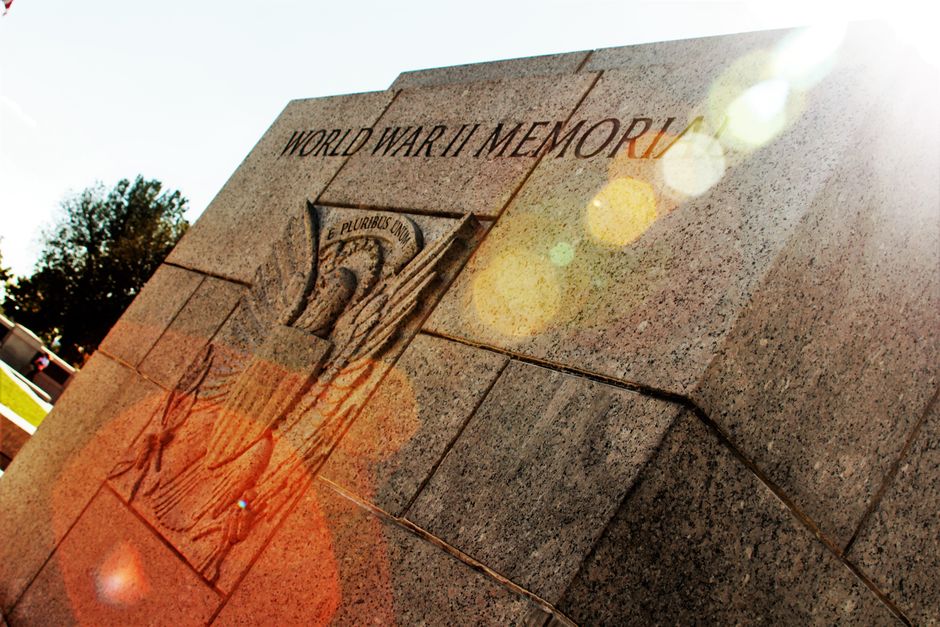
Architectural applications have also evolved, with engraved signage and decorative elements becoming integral to modern building design. Memorial and commemorative engraving continues to honour individuals and events, creating lasting tributes that connect communities with their history.
Cultural Impact and Artistic Legacy
Throughout its long history, engraving has served as both a practical tool and an artistic medium, documenting cultural evolution and preserving human creativity. The technique’s ability to create permanent, detailed images has made it invaluable for historical documentation, from ancient cylinder seals to modern security features on currency and identification documents.
Art museums worldwide house extensive collections of historical engravings that provide insight into past civilizations, social customs, and artistic movements. The Metropolitan Museum of Art’s collection includes thousands of prints and engravings that span centuries of human creativity.
Contemporary artists continue to explore engraving’s expressive possibilities, combining traditional techniques with modern materials and concepts. This ongoing evolution ensures that engraving remains relevant and vital in today’s artistic landscape.
Preservation of Traditional Skills
Despite technological advances, there remains strong appreciation for traditional hand-engraving skills. Master engravers continue to practice and teach classical techniques, ensuring this ancient craft survives alongside modern innovations. Many luxury brands still employ hand-engravers for their most prestigious products, recognising the unique character and prestige that handcrafted work provides.
Future Directions: Innovation and Tradition
The future of engraving looks promising, with emerging technologies opening new possibilities while traditional techniques maintain their relevance. Developments in materials science are creating new substrates for engraving, while advances in laser technology continue to improve precision and speed.
3D engraving and holographic techniques represent exciting frontiers that may reshape the industry. These technologies allow for complex three-dimensional designs that were previously impossible to achieve, expanding engraving’s creative potential.
Environmental considerations are also influencing the industry’s evolution. Eco-friendly engraving methods and sustainable materials are becoming increasingly important as consumers and businesses prioritise environmental responsibility.
The history of engraving demonstrates humanity’s enduring desire to create permanent marks that communicate meaning and beauty. From ancient cave paintings to cutting-edge laser systems, this remarkable craft continues to evolve while honouring its rich heritage. Whether preserving memories, marking achievements, or creating art, engraving remains an essential part of human expression that connects us to our past while embracing future possibilities.
For those seeking to add the timeless elegance of engraving to their lives, understanding this rich history enhances appreciation for the skill and artistry involved. At Bespoke Engravers, we honour this ancient tradition while embracing modern precision to create Personalized Home Decor Gifts That Transform Houses Into Homes that will be treasured for generations to come.
